



Making legal information available online is an important step toward improving access to the law. For courts, legal information institutes and other legal publishers, keeping legal collections current and easy to navigate is equally important.
At the 2026 Law via the Internet (LVI) conference in Montreal, speakers shared research findings and practical insights into what makes legal information platforms useful and sustainable.
Access and Usability
In her presentation, From Open Law to Observable Justice, Mariya Badeva of Laws.Africa examined the development and impact of TanzLII, Tanzania’s legal information institute. With more than 120,000 judgments and 12,500 legislative items available online, TanzLII illustrates how digital infrastructure can expand public access to legal materials.
An independent evaluation of TanzLII also examined how people use the platform. Among users who had received training, 75% reported almost always finding the information they needed, compared with 52% of those who had not. This difference suggests that training and user support can help people make better use of available legal information.
Brenda Alm of CanLII and Ana Rogers-Butterworth of McGill University explored a related topic in their presentation, Access to Understanding: Building an Open Future for Legal Scholarship. They discussed the importance of making legal commentary available alongside legislation and case law. On CanLII, approximately 37% of clicks following a search lead to commentary, reflecting the role these materials play in legal research.
Both examples point to the importance of making information not only available, but also easy to find and use.
Reliable Publishing Infrastructure
Legal collections require ongoing maintenance as new court decisions are issued, legislation changes and research needs evolve. TanzLII provides an example of timely publication; according to the figures presented at LVI 2026, the median time between the delivery of a judgment and its publication online was four days.
CanLII’s growing collection of legal commentary involves different publishing needs. Resources such as annotated legislation need regular updates, while clear navigation and information about document types and editorial review help readers assess the materials they consult.
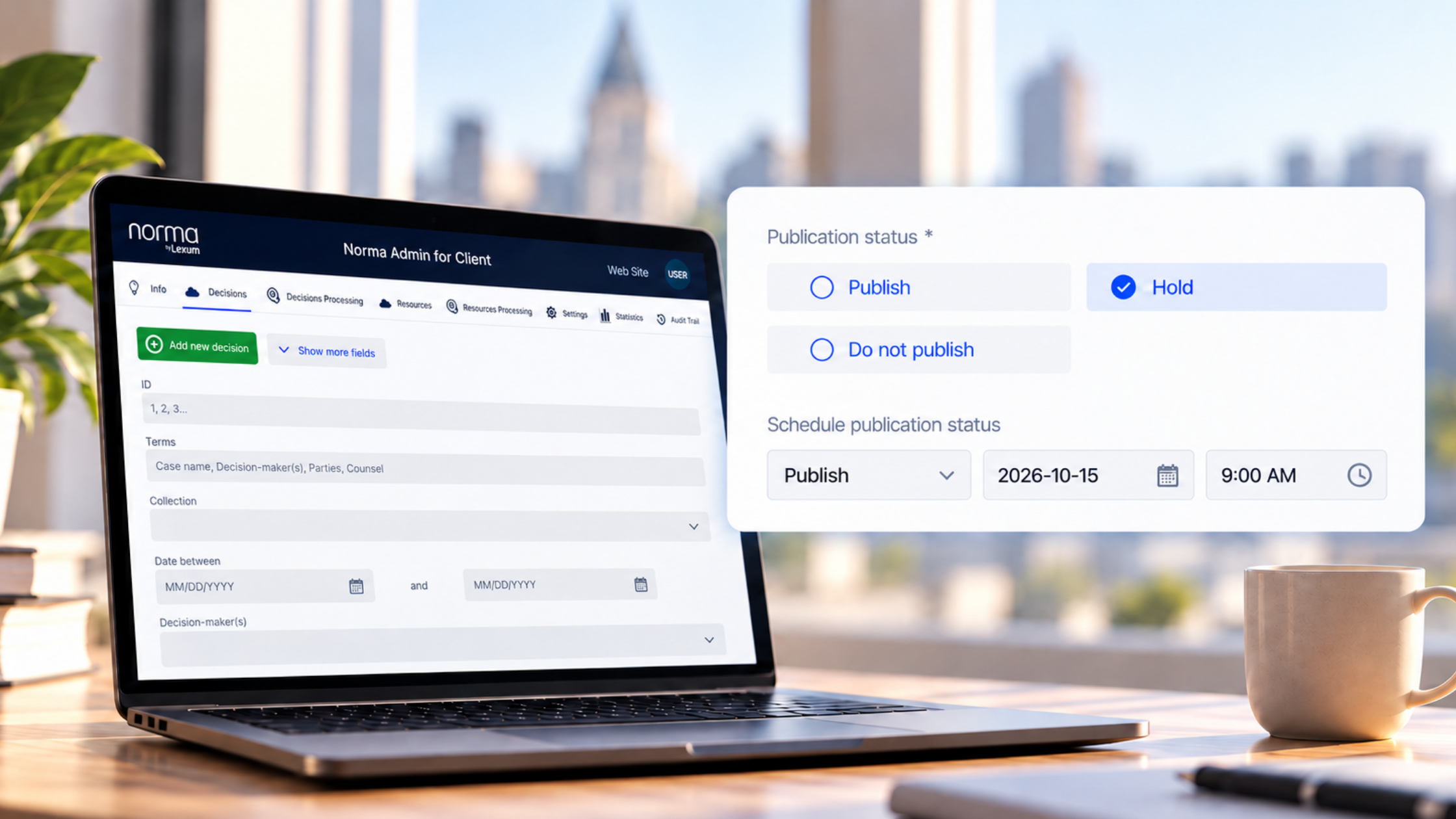
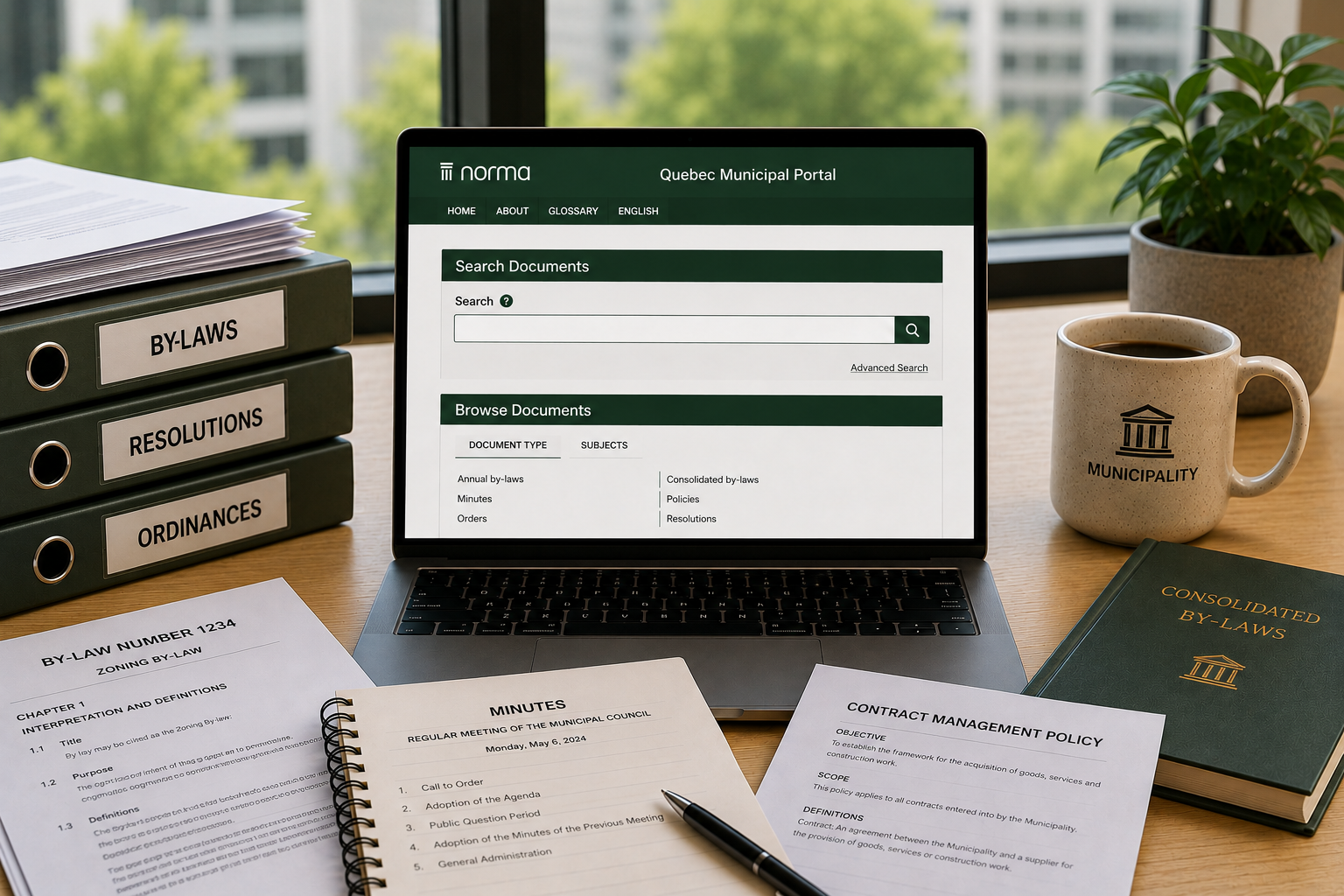
Supporting this work requires consistent publishing processes and appropriate technology. Norma, Lexum’s legal publishing platform, supports organizations manage, maintain and publish legal collections online, keeping information organized and accessible as collections grow. Lexum’s longstanding collaboration with CanLII also reflect the role of specialized technical expertise in maintaining legal information services over time.

Mariya Badeva presenting TanzLII’s experience at LVI 2026.
Legal Information and AI
Artificial intelligence is changing how legal information is searched, analyzed and reused, placing greater importance on the quality and structure of legal collections.
Mariya Badeva described how TanzLII’s infrastructure supports applications beyond traditional legal research, including citation tools, document summaries and legal analytics.
These examples show how well-organized legal collections can support new applications as technology evolves, while continuing to serve the needs of legal researchers and the public.
References
Mariya Badeva, From Open Law to Observable Justice: What TanzLII Teaches Us About Legal Information as Infrastructure. LVI 2026, Montreal.
Brenda Alm and Ana Rogers-Butterworth, Access to Understanding: Building an Open Future for Legal Scholarship. LVI 2026, Montreal.